Cute Doll Font for Editorial Design and Creative Projects
The Cute Doll font brings a playful yet readable energy to editorial design, making it an ideal choice for content creators who want to inject personality into their layouts. As a handwritten typeface, it strikes the perfect balance between casual charm and professional usability. Its gentle curves and soft edges give it a friendly, approachable feel that works well across a variety of publishing formats.
Visual Characteristics and Editorial Appeal
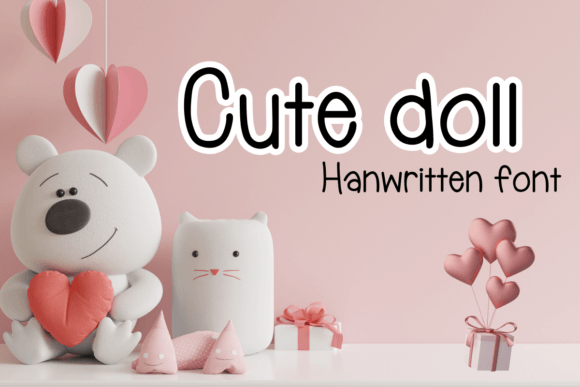
Cute Doll is a sans serif font with a distinct handwritten style. It features subtle variations in stroke weight and character shapes that mimic natural penmanship. This gives it a warm, human touch that stands out from more rigid, machine-generated fonts. The font’s personality is both whimsical and inviting, which makes it especially suitable for projects that aim to connect emotionally with readers.
Its visual appeal lies in its ability to be both expressive and legible. While it may not be suited for long-form body text, it excels in headlines, titles, and short bursts of text where impact matters most. This makes it a great fit for blog headers, magazine covers, and even social media graphics where visual interest is key.
Using Cute Doll in Editorial Layouts
When designing a lifestyle blog or a recipe ebook, the Cute Doll font can add a sense of fun and creativity without overwhelming the reader. It works particularly well as a title font, where it can draw attention and set the tone for the content that follows. Pairing it with a clean sans serif or serif font for body copy ensures readability while maintaining a cohesive visual hierarchy.
In a wedding guide or a coaching workbook, Cute Doll can be used for chapter openers or section headings to create a warm, welcoming atmosphere. Its handwritten appearance helps make complex topics feel more approachable and personal. For digital magazines or printable planners, it adds a unique flair that sets your publication apart from others in the same niche.
For newsletter writers, using Cute Doll in subject lines or call-out boxes can increase engagement by creating a sense of familiarity and friendliness. It also works well for quote graphics, where its soft, flowing lines enhance the emotional impact of the message being conveyed.
Readability and Practical Considerations
While Cute Doll is best used for shorter text elements, it performs well on screen and in print when used appropriately. When designing for mobile layouts, it's important to ensure that the font size is large enough to remain legible on smaller screens. In PDF exports or printed materials, testing the font at different sizes will help maintain clarity and avoid any potential issues with spacing or kerning.
For those looking to use Cute Doll in longer reading sections, it's recommended to pair it with a more structured font for body text. This ensures that the overall layout remains easy to read while still incorporating the font’s distinctive character in strategic places like subheadings or pull quotes.
Font Pairing and Brand Identity
One of the strengths of Cute Doll is its versatility when paired with other fonts. A popular combination is to use it alongside a clean sans serif font like Helvetica or Arial for body text. This pairing allows for a strong contrast between the playful headline font and the straightforward body copy, enhancing visual hierarchy and reader navigation.
For brand identity, Cute Doll can serve as a signature element in logos, packaging design, or web design. Its unique style helps establish a consistent look across all marketing materials, reinforcing brand recognition. Whether you're working on a creator newsletter or a digital product, this font can contribute to a unified and memorable visual language.
When exploring font pairing options, consider how each font contributes to the mood and purpose of your project. A display font like Cute Doll can be used for emphasis, while a serif or sans serif font can provide the necessary structure for extended reading.
Commercial Use and Licensing
If you plan to use Cute Doll in commercial projects such as ebooks, templates, printables, or paid newsletters, it's essential to check the licensing terms provided by the font's creator. Many premium fonts require specific licenses for use in client publications, digital downloads, or other forms of distribution. Ensuring compliance with these guidelines helps protect both your work and the rights of the font designer.
For independent content brands or course creators, investing in a properly licensed font can elevate the professionalism of your materials. It also ensures that you have the freedom to use the font across various platforms and formats without legal concerns.
Cute Doll offers a unique opportunity to blend creativity with functionality in editorial design. Whether you're crafting a digital magazine, designing a printable planner, or updating your newsletter template, this font can help you achieve a look that feels both modern and personal. By understanding its strengths and limitations, you can make informed decisions that enhance both the aesthetics and readability of your content.